
Explore our products
DEXA (Dual-Energy X-ray Absorptiometry)
Confidence for the Technologist
Bone densitometry, also called dual-energy x-ray absorptiometry, DEXA or DXA, uses a very small dose of ionizing radiation to produce pictures of the inside of the body (usually the lower (or lumbar) spine and hips) to measure bone loss. It is commonly used to diagnose osteoporosis, to assess an individual's risk for developing osteoporotic fractures. DXA is simple, quick and noninvasive. It's also the most commonly used and the most standard method for diagnosing osteoporosis.
This exam requires little to no special preparation. Tell your doctor and the technologist if there is a possibility you are pregnant or if you recently had a barium exam or received an injection of contrast material for a CT or radioisotope scan. Leave jewelry at home and wear loose, comfortable clothing. You may be asked to wear a gown. You should not take calcium supplements for at least 24 hours before your exam.learning curve.
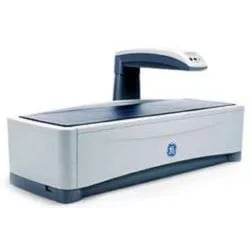
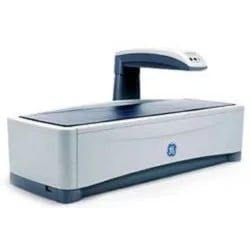
DEXA (Dual-Energy X-ray Absorptiometry)
A DEXA (Dual-Energy X-ray Absorptiometry) machine is a specialized, non-invasive imaging device used to measure bone mineral density (BMD) and body composition. By emitting two low-dose X-ray beams of different energy levels, it accurately calculates bone strength, typically focusing on the hip and spine to diagnose osteoporosis
Key technologies
Purpose: Primarily detects osteoporosis, osteopenia, and bone fracture risks.
Mechanism: Uses two distinct X-ray energy peaks to distinguish between bone and soft tissue.
Procedure: Fast, painless, and safe, often taking only 10-20 minutes.
Low Radiation: Exposure is very low, similar to a standard chest X-ray.
Other Applications: Also measures body fat percentage and body composition.
Candidates: Often recommended for women over 65 or individuals with risk factors.